
EMDR Therapy in Northfield & Online
Process Your Trauma, Stress, and Emotional Pain (Plus Optional Somatic Support, Guidance)
EMDR is one of the most effective ways to process trauma and distressing experiences without having to retell every detail. It helps the brain do what it naturally wants to do: move painful memories out of the “fight-or-flight” place and into a calmer, integrated place where they no longer take over your emotions or daily life.
Most people come to EMDR because they feel stuck. Old experiences keep showing up in new ways: anxiety, irritability, fear, perfectionism, shame, avoidance, intrusive thoughts, emotional reactions that feel “too big,” or the sense that the past is still too present.
EMDR helps you make sense of what happened, feel more regulated, and move forward with clarity.
This work is provided at our practice by David Krzysko, LCPC, EMDRIA-Certified, CCTP I/II, who has extensive training in trauma treatment, stress-related symptoms, and the nervous system. He is a trauma & somatic therapy expert.
What EMDR Is
EMDR (Eye Movement Desensitization and Reprocessing) is an evidence-based therapy that helps reprocess unprocessed memories stored in the brain during overwhelming or distressing experiences.
During overwhelming experiences, the brain can “freeze” the memory, feel blocked. EMDR helps resume processing so those memories lose their emotional intensity, removing the block. You still remember what happened, but it no longer feels as though it’s happening now.
EMDR is recommended by the International Society for Traumatic Stress Studies (ISTSS), the World Health Organization (WHO), and the Department of Veterans Affairs (VA).
How EMDR Helps
EMDR can help with:
- Trauma (single events or chronic experiences)
- Childhood experiences that still impact you today
- Anxiety, stress, shame, guilt, and depression
- Intrusive memories or emotional triggers
- Grief and loss
- Negative self-beliefs (“I’m not safe,” “I’m not enough,” “It’s my fault”)
- Relationship patterns that feel hard to break
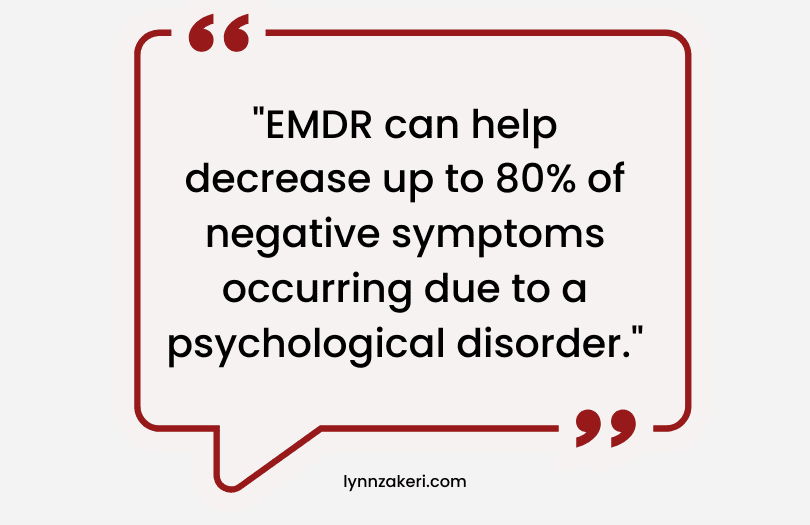
Clients often report feeling more regulated and less reactive. The memory remains, but it no longer drives your reactions. Overall, research shows a high success rate in symptom reduction.
Somatic Support (Optional & Integrated)
David Krzysko can help you understand your body’s role in healing. Read more about what it helps with and what it looks like here.
Some clients benefit from gentle body-based support alongside EMDR. This is not a separate treatment track and is not required. It is one of the tools David may use when regulating the nervous system, helping to create a sense of feeling in control.
Somatic strategies may be included when they support regulation during EMDR. These grounding, body-based techniques can help clients who experience stress physically or have difficulty settling their nervous system.
David may incorporate:
- breathing techniques
- grounding exercises
- noticing physical cues in a non-overwhelming way
- movement or relaxation strategies that support regulation
This is paced, client-led work. Nothing is forced, and everything is tailored to what feels manageable for you.
The intention is to support regulation so you can engage in EMDR safely and effectively.

What EMDR Sessions Are Like
You do not have to retell your trauma in detail.
You do not relive the experience.
Sessions are paced and individualized for you, so you stay present and grounded.
Sessions include:
- learning how your nervous system responds to stress
- identifying the memory networks keeping you stuck
- using bilateral stimulation (eye movements, tapping, using tappers, or auditory tones)
- processing memories at a pace that feels safe
- strengthening new, healthier beliefs about yourself
Your therapist guides the process with you, step by step.
How to Know If EMDR Might Help
You feel triggered more easily than you’d like
You avoid certain topics, places, or people
You feel “too much” or “numb,” depending on the day
You’re tired of working so hard to stay calm
You may understand something logically, but your body still responds as though it’s happening
You may want to feel more regulated, present, and steady day-to-day
If this sounds familiar, then EMDR is worth considering.
Why EMDR With Us
David Krzysko brings more than a decade of trauma training and real-world experience in EMDR, CBT, trauma-informed approaches, addictions, and nervous-system work.
He has worked with adults, young adults, teens, parents, veterans, first responders, and people carrying longstanding trauma or stress. His style is patient, steady, intuitive, and direct in the moments that count.
Clients describe him as someone who helps them feel safe enough to go deeper and supported enough to keep going.
Frequently Asked Questions
Can EMDR help even if I don’t have “big trauma”?
Yes. EMDR is effective for anything that overwhelms the nervous system — including chronic stress, medical experiences, perfectionism, childhood instability, relationship wounds, work pressure, or patterns you can’t shake.
Does EMDR work virtually?
Yes. David provides EMDR online using secure, research-supported tools for bilateral stimulation.
Is EMDR the same as talk therapy?
No. EMDR uses both cognitive and nervous-system pathways. It can often things talk therapy alone hasn’t fully resolved.
I still don’t understand somatic therapy. How can I learn more?
David Krzysko can help you understand your body’s role in healing. Read more about what it helps with and what it looks like here hyperlink to the specialty page on somatic therapy and support
A Quick Summary
- EMDR helps process trauma without retelling everything
- Somatic support is optional and grounding
- You stay in control of the pace
- Research shows significant reduction in symptoms
- The goal is for you to feel calmer, clearer, and more like yourself
Begin EMDR Therapy
Schedule EMDR therapy in Northfield or online.
If you’re ready to explore EMDR or want to see if it’s the right fit:
Contact us to schedule a consultation.
Northfield (in-person) and Illinois + Florida (virtual).
Email: lynn@lynnzakeri.com
Or visit my contact page to call, email, or text.
We’ll help you find the right next step.
Contact Lynn to find your right fit today!